Are you planning to start saving in the new year to buy a home? Here is how an RRSP can help!
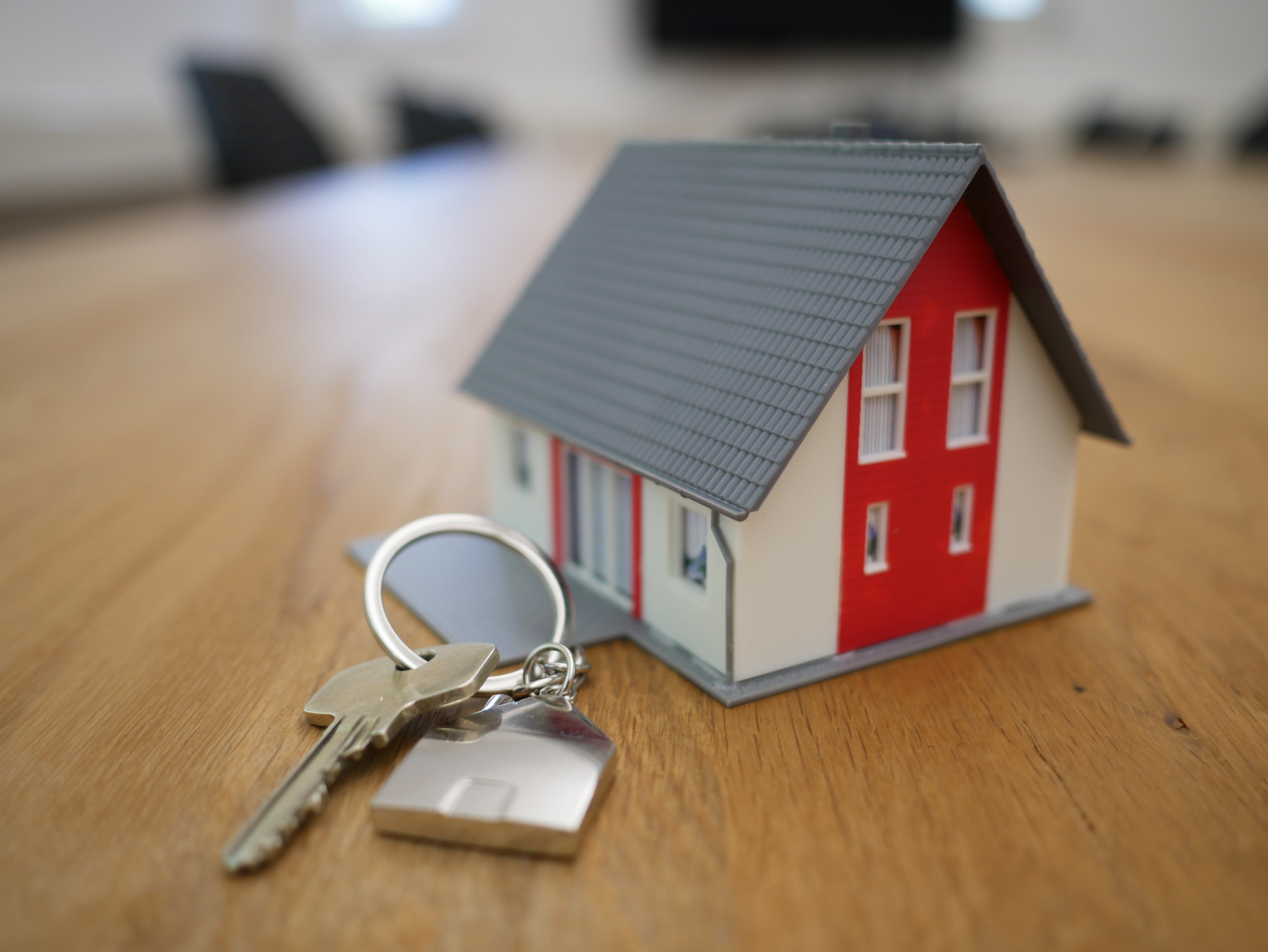
If you plan to start saving after the holidays for a down payment and closing costs to buy your first home, you might want to consider an RRSP to get some free cash from the government to help out. Considering a starter home will likely cost $150K-$200K, you will want to have at least $10,000 saved for your down payment and closing costs.
To illustrate how an RRSP could help, lets assume you plan to start saving $250 biweekly in January 2023 towards the purchase of your first home. Assuming you have available RRSP contribution room, you could save using an RRSP, investing in a money market fund, GIC or similar to ensure no loss of capital in the event of a stock market down-turn. If you start saving in January 2023, you would have approximately 30 biweekly pay periods from January 2023 up to and including the first 60 days of 2024. After 30 biweekly pay periods, at the rate of $250 biweekly, your savings would amount to $7,500.00, not including any interest earned on those deposits. If your marginal tax rate is 34.5%, (Gross taxable income of $53,360-$95,431) you could net an extra tax refund of up to $345.00 on your 2022 tax return as you can claim RRSP contributions made during the first 60 days of 2023 ($1,000 x 34.5%). For your 2023 tax return, you can claim RRSP contributions made from March 2, 2023 to December 31, 2023, as well as the first 60 days of 2024. By claiming the balance of your RRSP contributions on your 2023 return to be filed spring of 2024, you could net an extra tax refund of up to $2,242.00. Your total savings of $7,500 over the course of 30 biweekly pay periods (not including interest earned) plus your potential refunds from 2022 and 2023 could amount to a grand total of $10,087 by the spring of 2024. If you earn a six-figure gross income, your marginal tax rate will be higher and therefore your potential tax refunds from both years will be higher.
When you are ready to purchase your home, you can utilize the Home Buyers Plan (HBP) to withdraw up to $35,000.00 from your RRSP, tax free, towards the purchase of your first home. To avoid paying taxes on funds withdrawn from an RRSP under the Home Buyers Plan, you have to re-contribute the amount withdrawn over a 15-year period. The 15-year period starts in the second year, after the year you withdrew the funds. Using an RRSP to save rather than a regular savings account, reduces temptation to dip into your savings along the way as withdrawals outside of the Home Buyers Plan would be subject to tax. Because amounts withdrawn under the Home Buyers Plan need to be re-contributed over a 15-year period, it forces you to prioritize RRSP savings to supplement your future retirement income. Relying on Canada Pension Plan and Old Age Security benefits alone will not be enough for most people.
Even if you or your spouse previously owned a home, but not currently, you may still be able to participate in the Home Buyers Plan. For more information regarding the Home Buyers Plan, you can visit CRA's website and search "Home Buyers Plan".
After you actually purchase your first home, you will be able to claim the “Home-buyers amount” on line 31270 of your tax return. If you purchase the home in 2024, you would make this claim on your 2024 tax return to be filed in the spring of 2025. Currently, this non-refundable tax credit is $5,000 which can lead to an extra tax refund of up to $750, however, the last Federal budget proposed a doubling of this tax credit for 2022 and subsequent tax years. If this proposal goes through, you could net an extra tax refund of up to $1,500.00 simply by purchasing a qualifying “First-Home”. This extra tax refund can be used to help build emergency savings in the event your home requires future maintenance or repair.
If you are carrying debt and cannot afford to save anything after making minimum debt payments, please contact our office for a free consultation. There are options for debt relief that can put you on a path to future home ownership.
If you are looking for advice, or a second opinion about your debt, it does not cost anything to talk about your options. Every financial situation is unique and viable options can differ from person to person. A conversation free of judgment is the first step to determine options for debt that make sense to you. For a free consultation, please call or text (506) 645-1814 or email jaime@tackledebt.ca; or visit www.tackledebt.ca.