How cell phone bills and home services can affect your credit.
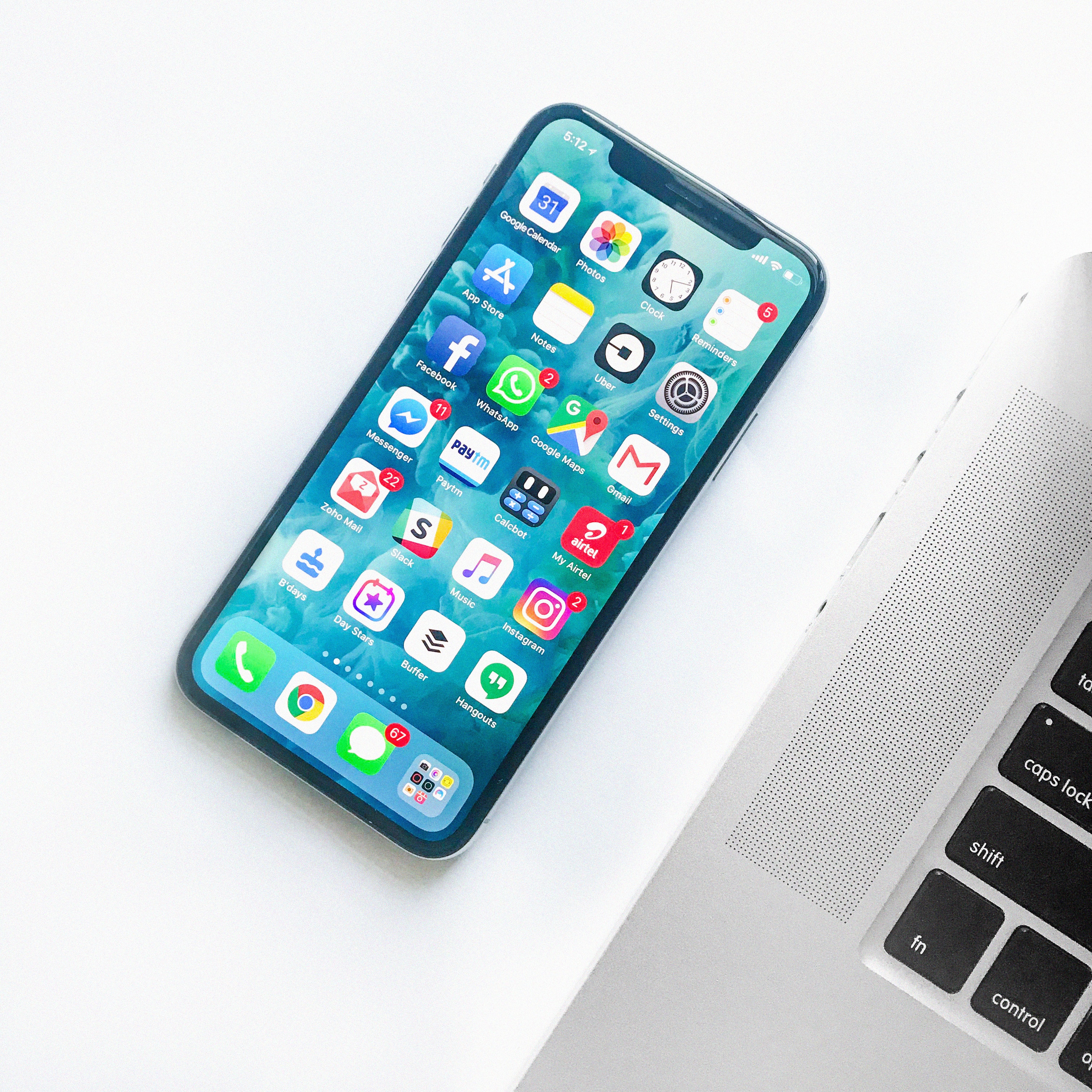
A cell phone bill is typically one of the first bills many young adults have, and as they move into their own space, cable or internet is usually next on the list. Because of the lack of credit score information provided to teenagers and young adults, there can be a lack of understanding of the effects both cell phones and home services can have on your credit. However, from the minute you sign up for these services, your credit is involved.
When signing up for a monthly cell phone plan, and/or home services, your personal information is required to do a credit check. They do this to ensure you have a history of paying your bills on time and are therefore a reliable customer. For those young adults who have little to no credit history, or for others who have a poor credit history, a refundable security deposit may be required to move forward. The refundable security deposit will only get refunded by meeting certain criteria within a specified time frame, such as paying your bill by the due date. In the situations where your credit score is towards the bottom of the range, you could simply be declined and have limited options moving forward, such as pre-paid cell phone plans, until your credit is improved.
Cell phone and home service providers may report your payment history to Equifax and/or TransUnion. This can be good or bad depending on your history. Timely payments account for 35% of your overall credit score. By making your payments on time, you are creating a good payment history, which will increase your likelihood of receiving approvals in the future. Late payments and missed payments can have adverse effects and drive your credit score down.
By missing too many payments there is a risk of having your plan cancelled and your account sent to collections. This can stay on a credit report for up to 6 years and can cause your credit to decrease and in the future, lenders could possibly charge you a higher interest rate or refuse to lend to you all together.
If you are curious as to whether your provider has been reporting your history, and what that history may look like, contact Equifax and TransUnion to get a free copy of your credit report. If you notice any errors, you are able to dispute it by filling out the required correction sheet.
It’s also important to pay attention to your monthly bill. Errors can happen and the sooner they are dealt with, the less likely they are to cause overpayments, missed payments, cancellations, etc. At the point of cancellation of services, it’s also incredibly important to save proof of your last payment and stash it away in a secure location in case of any future issues arising on your credit. This is also the same for equipment returns. When you return equipment for cell or home services, save the proof of return and verify on your final bill that you are not receiving a charge for it. By not paying attention to the bills, and keeping proof of final payments/returns, you run the risk of having the account sent to collections. To be safe, proof of payment of final bills and proof of equipment returns should be kept forever. This might sound excessive but our office has dealt with many people where this issue has come up, often years after the fact, and if proof is not retained, it will be an uphill battle to try to dispute later on.
If you have old cell phone, cable, internet bills, or other unsecured debt holding you back from making steps to improve your credit score, there are options to help you move forward.
If you are looking for advice, or a second opinion about your debt, it does not cost anything to talk about your options. Every financial situation is unique and viable options can differ from person to person. A conversation free of judgment and cost, is the first step to determine options for debt that make sense for you. For a free consultation, please call or text (506) 645-1814 or email jaime@tackledebt.ca; or visit www.tackledebt.ca.