The financial cost of convenience in our daily lives.
Today’s society is one that lives face paced lives, between continuing education, building careers and raising children, we are always on the go. Due to constantly being so busy, convenience has become a major factor in our daily lives with the goal of saving ourselves a few minutes here and there. Little consideration is given to the implication’s convenience can have, such as cost, time, and health.
There are certain conveniences that have become popular throughout the years, and as people’s days get busier, they tend to adopt the regular use of one or more conveniences that could potentially take a toll financially. Below are just a few examples that could become costly over time, but with a simple change in routine, could easily be avoided.
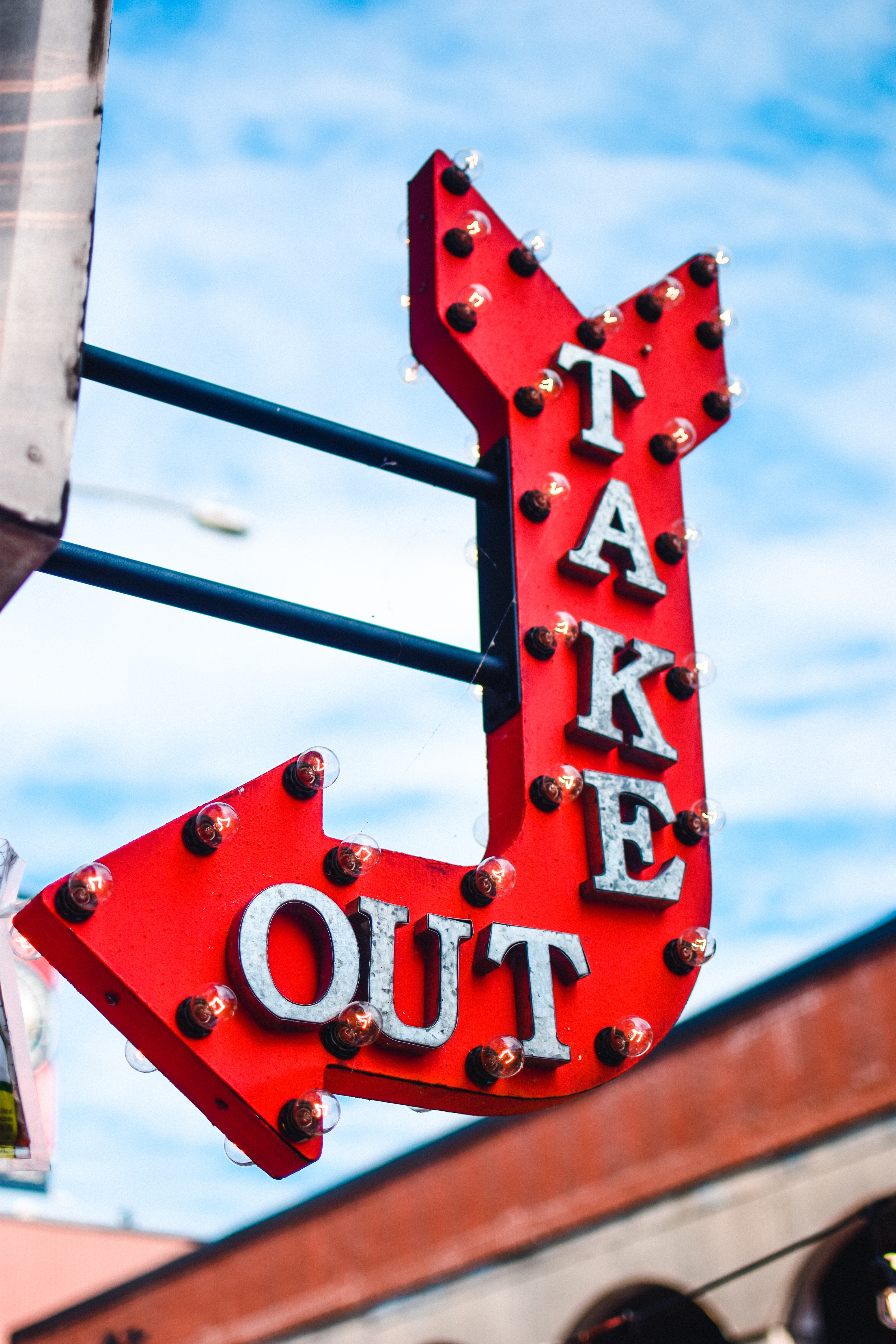
- Take out vs eating in – When working long hours, or rushing from one children’s activity to another, the thought of having to cook a meal can cause the feeling of dread. It’s easy to run through the drive-thru to bring home dinner to everyone or order delivery. This major convenience can easily take a toll on our budget when doing this on a regular basis through the cost of food, and possible delivery fees. By preparing meals at home, whether doing meal prep for lunches, or bringing out the slow cooker to make dinner time quick and easy, you are saving money by not breaking your budget, less likely to waste groceries that have been purchased to use in meals, and eating healthier than you might with take-out food.
- Driving everywhere, even when within walking distance – For most people, a car is a necessity. With hectic schedules public transportation doesn’t make sense, and cab fair can add up quickly when making multiple trips throughout the week. However, people get comfortable with having a vehicle at their disposal and use it even when the destination may be within walking distance. By choosing to walk, when possible, you can save yourself money mostly in gas, and less likely to spend unnecessary funds by removing the possibility of making pit stops to grab a quick coffee, bite to eat, etc.
- Using credit cards for everyday purchases – Credit cards have become a convenient way to pay for everyday purchases. With the ease of use, people often use it freely without thinking about the total their spending, and how they’re going to pay it back. It can lead to overspending with possible high interest rates causing many to carry a balance. Carrying a balance can impact your personal finances and lead to long-term debt. When using credit cards, it’s best to be mindful of your credit utilization (amount owed vs. overall credit limit) and try to keep utilization under 30%.
- Digital payment methods instead of cash – For convenience, many of us are using cash less often or hardly at all as a payment method. Although these options save lots of time compared to locating an ATM to withdraw cash, left unchecked, a person could spend substantially more than intended using digital payment methods. By choosing to carry cash and using it for a majority of purchases, you can physically see the cash balance dwindle and sometimes that alone, could prompt you to decide not to spend in hopes of maintaining some sort of cash balance.
- Online shopping and delivery services – Online shopping and delivery services have become one of the most convenient ways to shop. Now you’re able to shop for everything from household goods to clothing, to groceries and have it all delivered to your home sometimes, within a day. However, these services may come with added fees, such as delivery fees, which can increase the overall cost of your purchases, causing you to stray from your budget.
- Paying for home services – With our day to day lives being so busy, many have opted to hiring someone to do the tasks they’re having trouble finding the time for, such as hiring a housekeeper, someone to mow the lawn, or help with other household tasks. This is convenient way to free up time, but these services come at a cost that can add up quickly, impacting the monthly budget.
These are just a few of the more common conveniences that people have incorporated into their daily lives with the hopes of saving themselves some time and effort. It is evident that there are trade-offs between convenience and cost, and consideration should be given to what is more important to you. If there are certain conveniences that you feel are a necessity in your life, then it’s best to look at your budget and see how you can include it to avoid debt from such conveniences. If there are conveniences that don’t fit your budget, there are cost friendly ways to simplify your day-to-day life, such as meal prepping to avoid take-out, make your coffee at home, order your groceries online but pick them up on your way home, etc.
If you have overindulged in conveniences and have accrued debt in the process, there are options to help get you back on track financially.
If you are looking for advice, or a second opinion about your debt, it does not cost anything to talk about your options. Every financial situation is unique and viable options can differ from person to person. A conversation free of judgment and cost, is the first step to determine options for debt that make sense for you. For a free consultation, please call or text (506) 645-1814 or email jaime@tackledebt.ca; or visit www.tackledebt.ca.