What is considered a personal financial emergency?
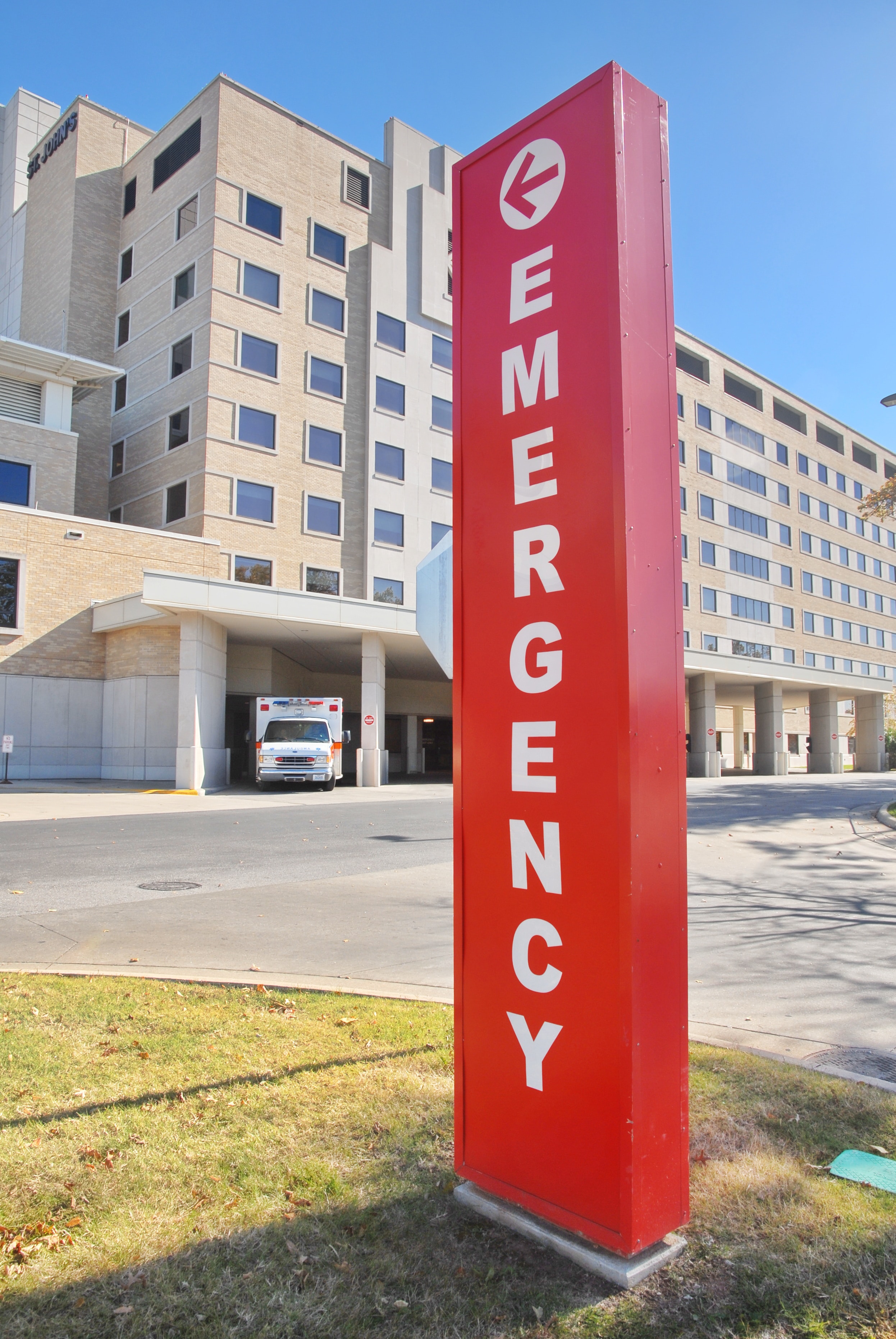
Having an emergency fund is an integral part of your personal finances, to protect you and your household from any unexpected expenses. By having an emergency fund, you can prevent having to rely on credit to handle any of the unexpected expenses that could potentially arise, which could have a negative effect on both your budget and credit report.
Upon creating an emergency fund and having the money set aside that helps you feel prepared, you need to decide what constitutes as a financial emergency, which could vary depending on individual circumstances. A financial emergency is generally defined as a situation that requires immediate access to funds to cover unexpected expenses. Below are some situational examples that could justify the need to use the emergency fund.
1. Medical expenses – In Canada, healthcare is typically covered by Canada’s universal health care system and personal medical insurance but there are still some costs that an individual may need to cover themselves, such as travel, replacing income if unpaid time off is taken, or any cost that is not fully covered by insurance.
2. Job loss – If you lose your job or experience a signification reduction in come, your emergency fund can help cover essential expenses like rent, mortgage, utilities, groceries, etc., until you find a new source of income.
3. Car repairs – If your primary mode of transportation breaks down and is required for your daily life, using your emergency fund to pay for repairs may be required.
4. Home repairs – Urgent repairs such as a leaking roof, broken furnace, broken windows etc., might require use of your emergency fund. This is outside of regular home maintenance.
5. Major appliance replacement – While not every appliance is a necessity, there are a few that are needed in our daily lives, such as a refrigerator or washing machine. If one breaks down, you may need to access your emergency fund to repair or replace it.
It is easy to have the lines blur between what is an emergency and what is not an emergency, but your emergency fund should be reserved for genuine emergencies. Below are some expenses that could arise where it is tempting to access your emergency fund, however they should generally not be reasons to access these funds.
1. Routine expenses – Everyday expenses like groceries, utilities, rent, mortgage, transportation, entertainment, should all be worked into your monthly budget and should not be considered a reason to pull from your emergency fund. If you find yourself pulling from your emergency fund to cover those everyday expenses, consider looking at your budget and making adjustments to ensure those expenses are covered.
2. Planned expenses - Any expense that can be reasonably anticipated, such as vacations, holiday shopping, planned home improvements, etc., should not be covered by an emergency fund. Saving for these expenses can be included in the monthly budget and the funds set aside separately for such occasions to prevent you from being unprepared and using your emergency fund.
3. Temporary income fluctuations – Anticipated temporary decreases in income due to seasonal jobs or irregular income should be managed though budgeting and financial planning rather than dipping into your emergency fund. Adjust your budget and spending during those periods to align with your current income, rather than using a budget that is beyond your means.
4. Debt repayment – While paying off debt is important, using your emergency fund to make extra payments beyond the minimum payment required may not be the best use of these funds. It could cause a vicious circle of using your credit to pay for emergencies, and then paying off that debt before the next emergency arises. Instead, focus on reducing your debt through regular budgeting and allocate any extra funds specifically for that purpose.
By setting yourself guidelines on what constitutes as an emergency, you are able to safeguard the financial cushion you have worked hard to save, and know that if or when an emergency arises, that you are covered. It is also important to remember that if an emergency arises and you are required to take from your emergency fund, to include in your future budget the replenishment of that fund.
If your goal is to build an emergency fund but find debt repayments getting in your way, there are options.
If you are looking for advice, or a second opinion about your debt, it does not cost anything to talk about your options. Every financial situation is unique and viable options can differ from person to person. A conversation free of judgment is the first step to determine options for debt that make sense to you. For a free consultation, please call or text (506) 645-1814 or email jaime@tackledebt.ca; or visit www.tackledebt.ca.